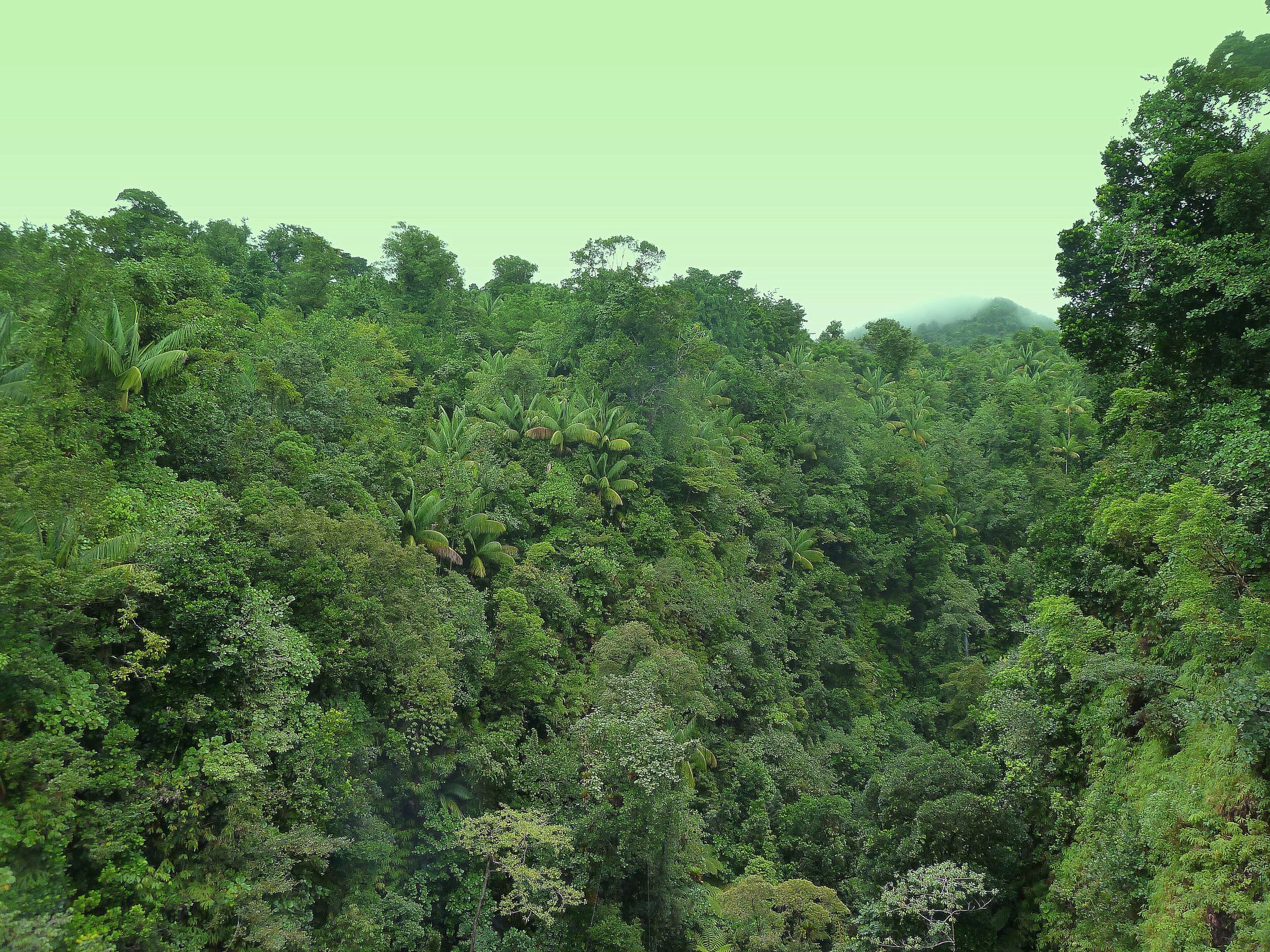
Unlocking the Value of Natural Capital.
We seek to support the development of credible carbon market opportunities that connect environmental conservation with sustainable economic development.
Connecting conservation with economic development.
Well-designed carbon projects can help finance ecosystem protection and restoration while supporting the communities and landowners who steward them. In Guyana, forest-carbon revenues have already supported community-designed development plans across 242 Indigenous villages and communities.[3]
SRV's focus is on projects designed around credible measurement, independent verification, transparent reporting and clear community benefit-sharing, building buyer and investor confidence rather than pursuing credit volume alone.
A real market, and an increasingly selective one.
Reported voluntary carbon-market activity from Forest Trends' Ecosystem Marketplace. Reported transactions are not a complete census of the market.[1]
in reported voluntary carbon-credit transactions in 2024, representing around 84 million tonnes of carbon dioxide equivalent.
2024 market reality
Overall activity fell year on year, while selected categories strengthened. Transaction value is not money paid directly to communities or new projects; trades can involve intermediaries and resales.
Source: Forest Trends' Ecosystem Marketplace, 6 June 2025[1]
forestry and land-use credits retired in 2024, the largest retirement category across ten major standards.
Retired means taken out of circulation for use, not traded onward: a measure of end-user demand.
Source: Forest Trends' Ecosystem Marketplace, 6 June 2025[1]
rise in average 2024 prices for afforestation and reforestation, agroforestry and blue-carbon projects.
Source: Forest Trends' Ecosystem Marketplace, 6 June 2025[1]
Where natural capital creates value.
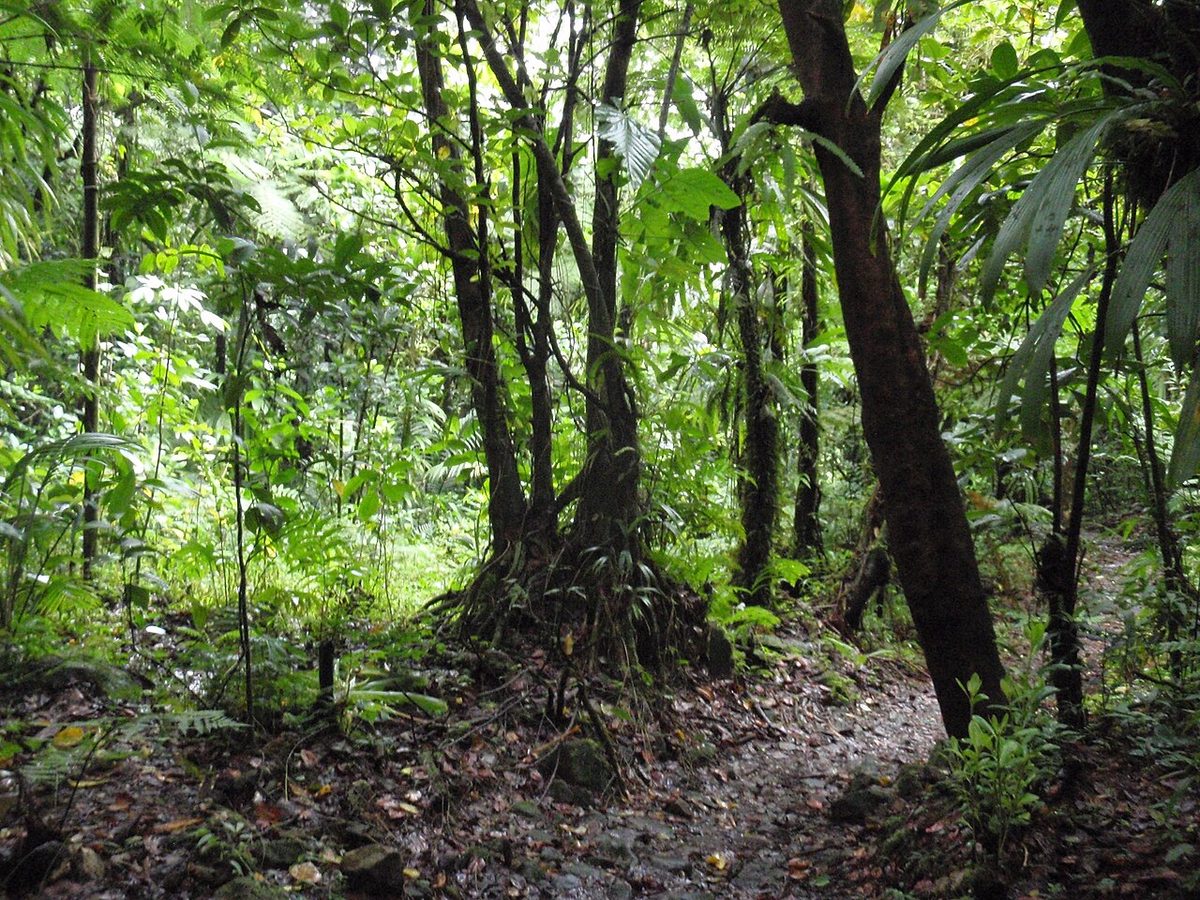
Forest conservation
Protecting standing forest and the carbon, water and biodiversity value it holds.
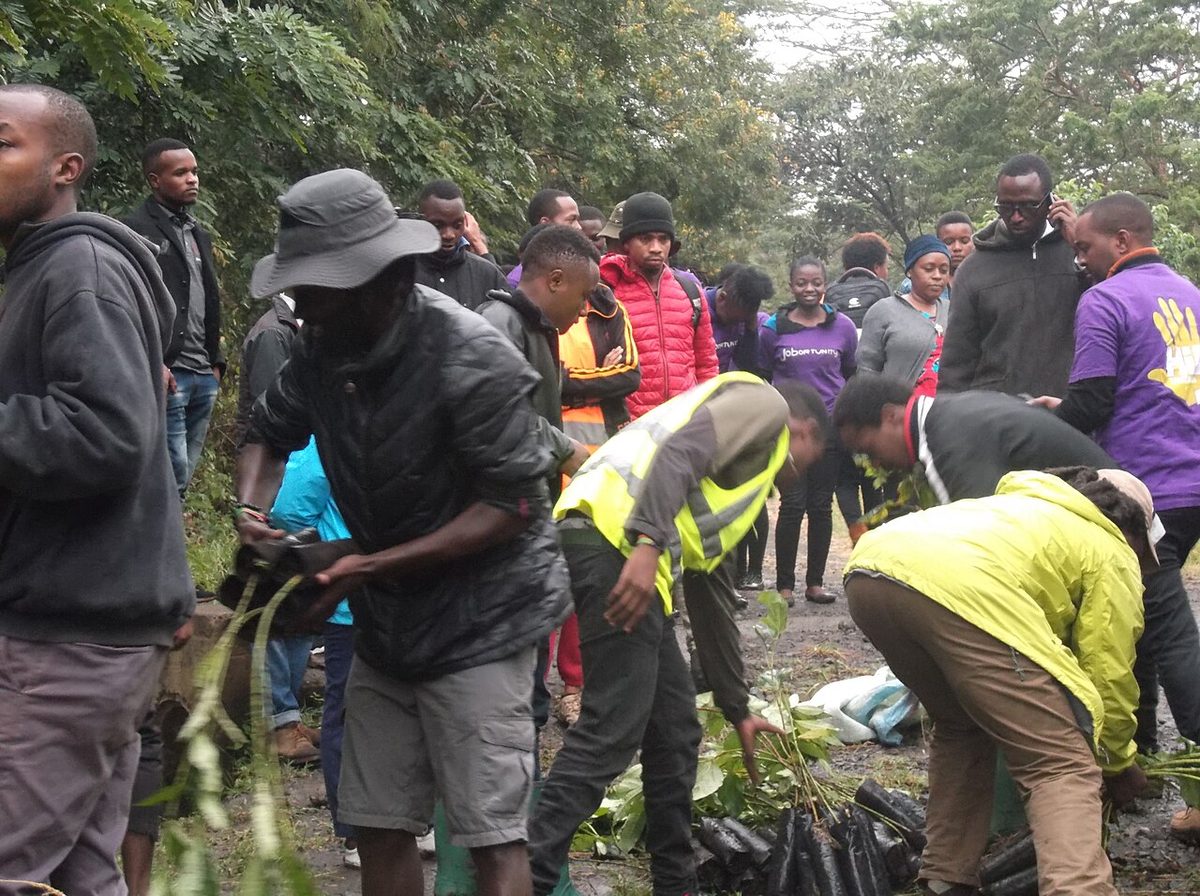
Restoration
Restoring degraded land and watersheds with native species.
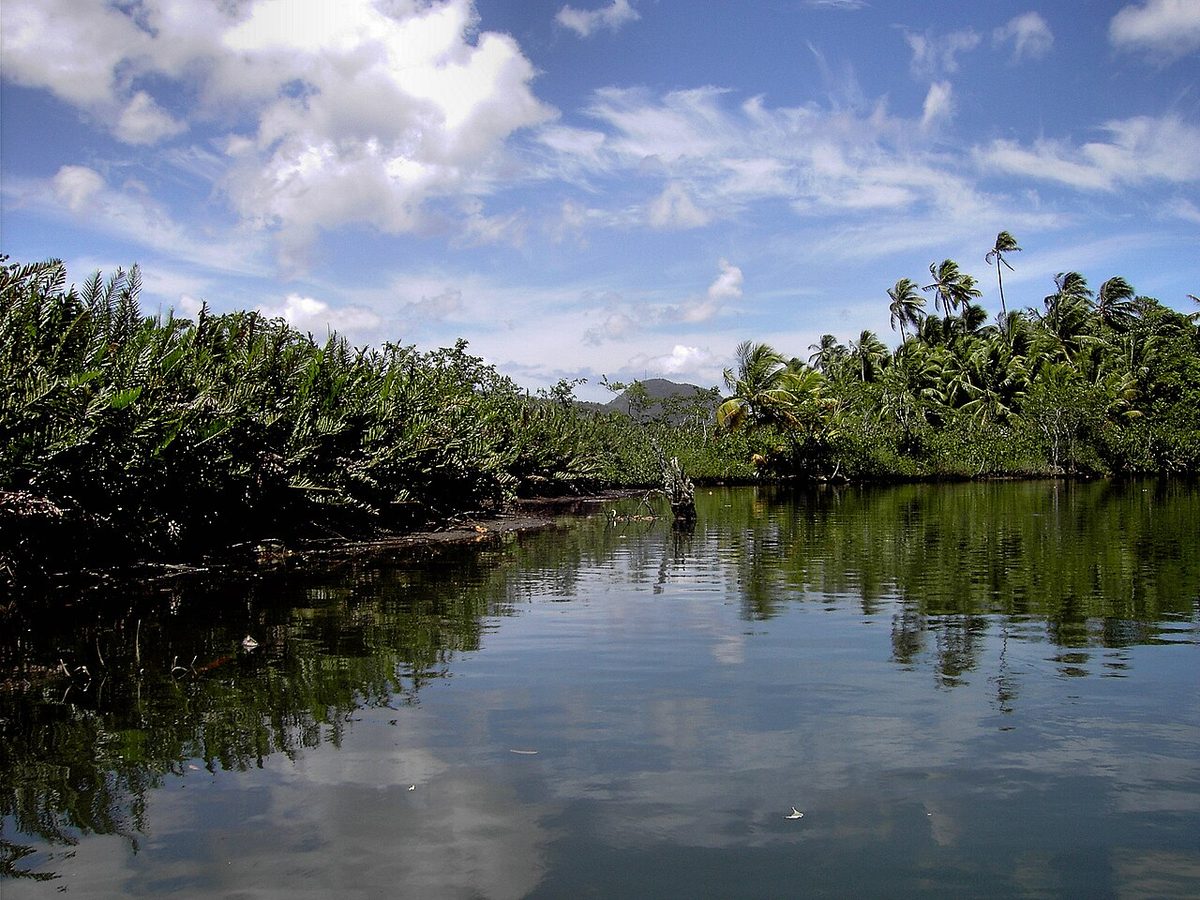
Coastal ecosystems
Mangroves and coastal habitats that store carbon and protect shorelines.
How a carbon project moves from site to credit.
- STEP 1
Feasibility
Assess the site, land tenure, carbon potential and community context.
- STEP 2
Design
Select a recognised methodology and design the project and its safeguards.
- STEP 3
Validation
Independent review of the project design against the chosen standard.
- STEP 4
Monitoring
Measure outcomes on the ground over time with transparent data.
- STEP 5
Verification
Independent confirmation of the results that were monitored.
- STEP 6
Issuance
Credits are issued by the registry only after successful verification.
Standing forest, connected to multi-year finance and community benefit.
Guyana shows how forest carbon can be linked to long-term finance at national scale, and how that revenue can reach the communities who steward the forest.
forest-carbon agreement secured by Guyana with Hess in 2022.
A national-scale agreement, not a benchmark for individual landowners or smaller projects.
Source: Guyana Department of Public Information, 18 February 2025[2]
Indigenous villages and communities covered by ART's case study had all received funds from forest-carbon credit sales.
Revenue supported community-designed development plans.
Source: Architecture for REDD+ Transactions (ART), September 2024[3]
Linking projects with buyers and finance.
Carbon finance works best when project developers, landowners, buyers and investors are aligned from the outset. SRV aims to structure those partnerships and connect Caribbean projects with climate finance.
- Carbon project development
- Nature-based solutions
- Forest conservation
- Carbon credit market participation
- Climate finance
- Transparent, high-integrity carbon initiatives
Integrity is the product.
Buyers and investors increasingly scrutinise how carbon credits are produced. These are our commitments for any carbon initiative SRV takes part in.
Recognised standards
Use established methodologies and independent validation and verification.
Transparency
Make project documentation and monitoring results available to buyers.
Community benefit
Agree fair benefit-sharing with landowners and communities.
No early claims
Describe credits as issued only once a registry has issued them.
Figures on this page
Market figures are global and cover reported voluntary carbon-market activity in 2024. The Guyana figures are a dated, national-scale case study. None of these figures is a revenue forecast for SRV projects.
Third-party figures are presented for context and are not a forecast of SRV results. See our Legal Notice and Important Disclosures.
- [1]
Forest Trends' Ecosystem Marketplace · 6 June 2025
State of the Voluntary Carbon Market 2025 (PDF)(opens in a new tab)Figures for 2024. Reported transactions, not a complete census of the market. Forestry and land-use retirements from Table 2.
- [2]
Guyana Department of Public Information · 18 February 2025
Carbon sales to fund 1,700 projects within Indigenous communities in 2 years(opens in a new tab) - [3]
Architecture for REDD+ Transactions (ART) · September 2024
Using Carbon Markets to Protect Forests at Risk: Guyana case study (PDF)(opens in a new tab)ART administers the TREES standard used by Guyana.
Projects in this focus area
Carbon Credit Markets projects will be published here.
Register interest to hear when opportunities in this focus area are announced.
Explore the wider platform
Developing or investing in Caribbean natural capital?
Connect with SRV to discuss carbon project partnerships and climate finance.