Powering a More Resilient Caribbean.
We are committed to supporting infrastructure development that strengthens energy security, climate resilience and sustainable economic growth.
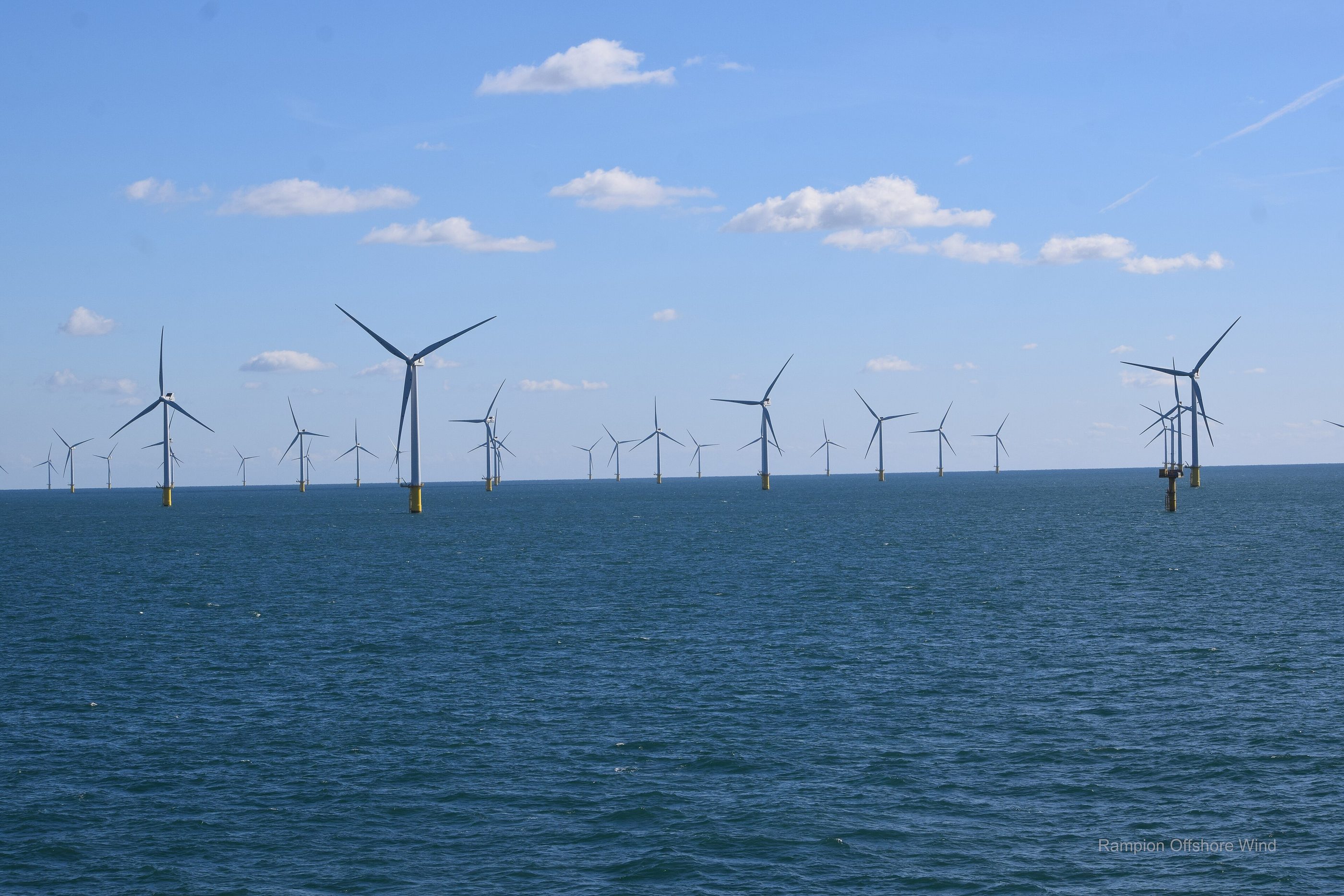
Island systems face distinct infrastructure pressures.
Many Caribbean economies depend on imported petroleum and operate small, isolated electricity grids exposed to hurricanes, floods and other disruptions. These pressures make energy security, predictable operating costs and reliable power commercial priorities, not only environmental ones.[1]
Locally available renewable energy, energy efficiency and appropriately designed distributed systems can reduce fuel dependence and strengthen resilience. Delivering those benefits requires site-specific engineering, suitable storage and controls, and infrastructure designed for local weather risks.[3]
Fuel dependence. Weather exposure. Investment need.
of petroleum consumed in the Caribbean is imported, exposing economies to international fuel prices and supply disruption.
Source: World Bank, 28 February 2025[1]
of Dominica's electricity network was damaged by Hurricane Maria, along with most generation assets.
Source: World Bank, 20 December 2023[2]
in World Bank project financing to improve energy efficiency and expand renewable energy.
- ~500
- public buildings planned for retrofit
- ≥20%
- targeted cut in their energy use
Source: World Bank, 28 February 2025[1]
The 90% figure covers petroleum consumed across the Caribbean, not all energy or electricity. The network figure is specific to Dominica. The US$131.87M is one project's approved financing, with targets not yet delivered, not a measure of annual regional investment.
When the grid fails, the balance sheet does too.
Hurricane Maria damaged more than 75% of Dominica's electricity network and most of its generation assets. The World Bank's later assessment shows what that meant for the utility's finances.[2]
Damage to power assets
≈ 65% of their net book value
Value of assets damaged by the storm.
Estimated rebuild financing
≈ 2.5× the utility's 2016 revenue
Financing needed to repair or rebuild the power system.
Electricity tariff, 2022
As imported diesel prices rose
A dated Dominica example, not a current regional tariff.
Source: World Bank, 20 December 2023, paragraphs 9–10.[2] Damage and rebuild financing measure different things and should not be added together.
Generation, storage and the systems around them.
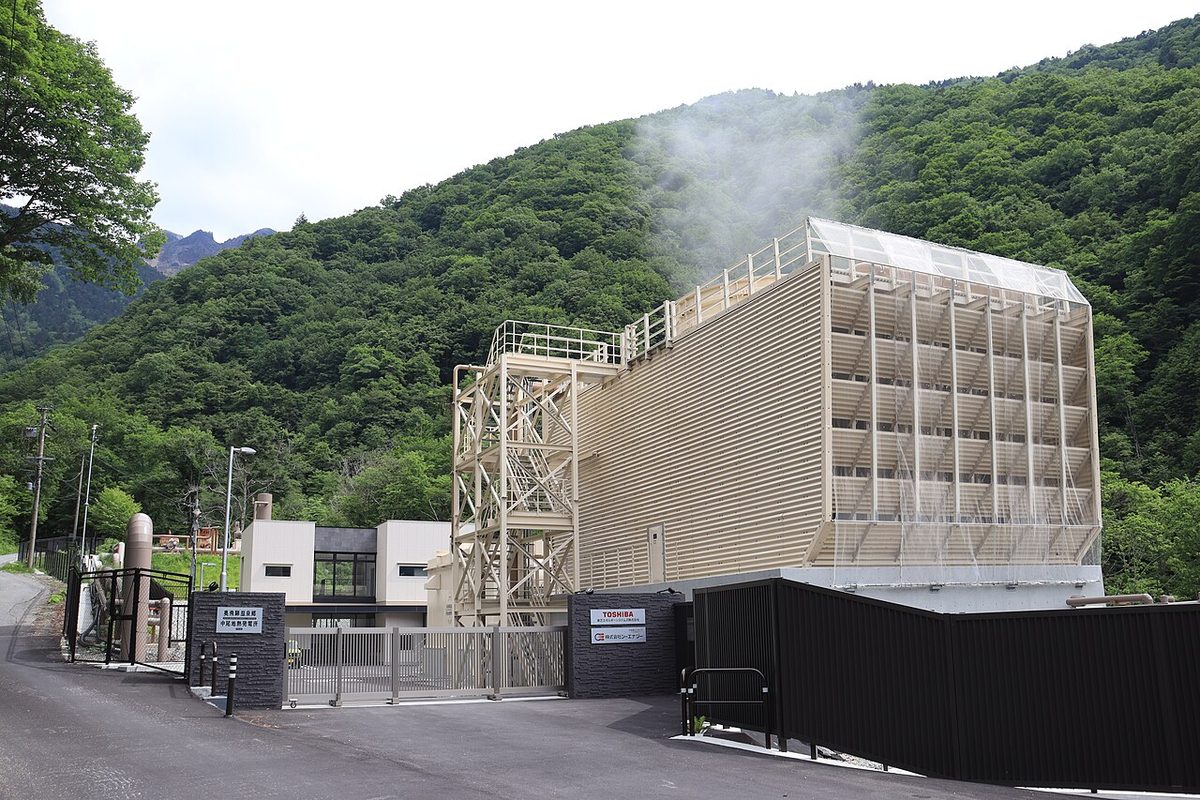
Renewable energy
Solar, wind and geothermal generation suited to island grids and local resources.
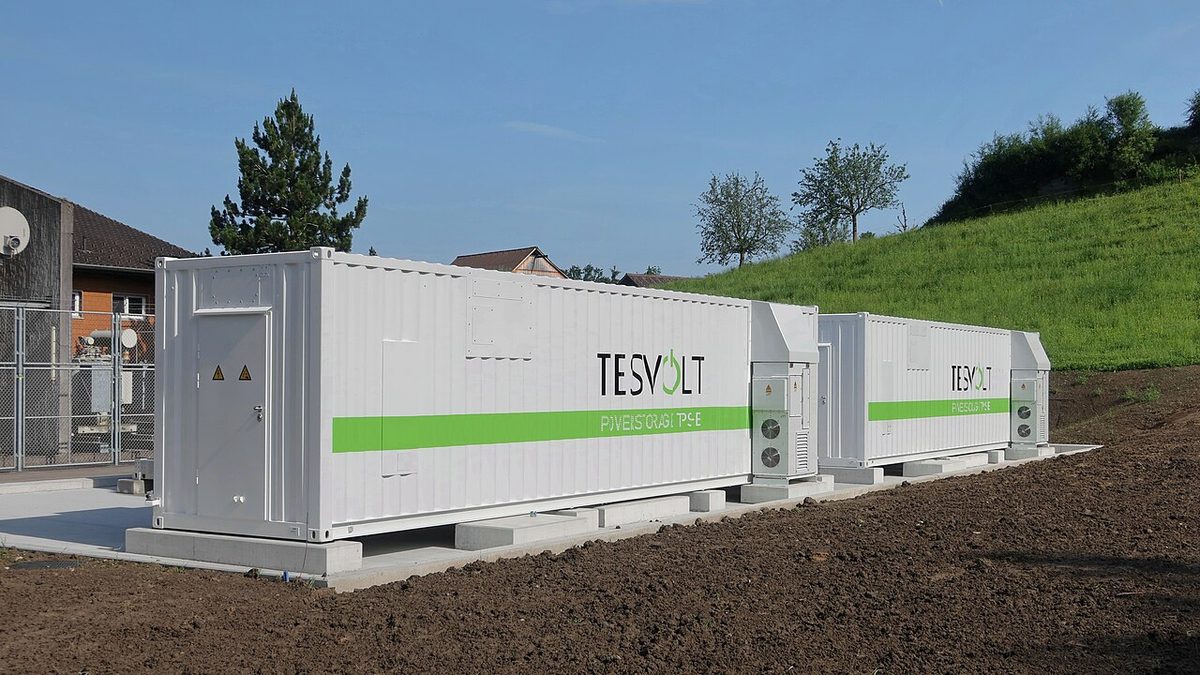
Energy storage and efficiency
Battery storage and efficiency measures that make renewable supply dependable.
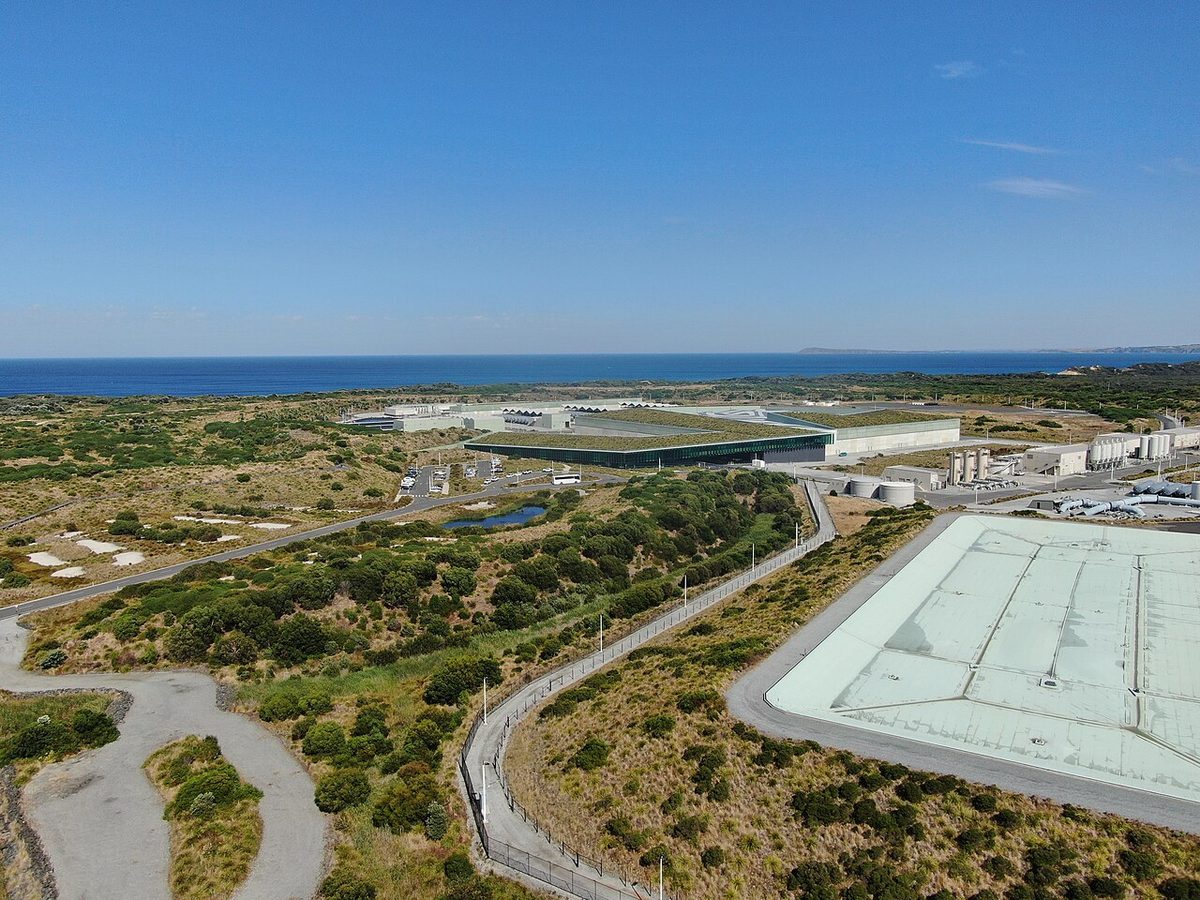
Water and environmental infrastructure
Water supply, treatment and environmental systems designed for a changing climate.
Built for the conditions it will face.
Resilient design
Structures and networks engineered for high winds, heavy rainfall and flooding.
Distributed systems
Microgrids and distributed generation that keep essential services running.
Climate-resilient construction
Materials and methods suited to tropical conditions and long service lives.
From concept to financed, operating assets.
SRV works with engineering partners, investors, utilities and public-sector bodies to develop infrastructure projects that are bankable and built to last.
- Renewable energy
- Solar and wind projects
- Energy storage
- Water infrastructure
- Climate-resilient construction
- Sustainable infrastructure investment
Figures on this page
Geography varies by figure: imported petroleum is regional, network damage and tariffs are specific to Dominica, and the 2025 project covers Grenada, Guyana and Saint Lucia. Historical figures are labelled with their year. Approved project financing is not a measure of market size.
Third-party figures are presented for context and are not a forecast of SRV results. See our Legal Notice and Important Disclosures.
- [1]
World Bank · 28 February 2025
Caribbean Countries Move Toward Energy Sustainability with New Regional Project (press release)(opens in a new tab)Dated 28 February 2025 in the release itself; the web address shows 4 March 2025.
- [2]
World Bank · 20 December 2023
Dominica Geothermal Risk Mitigation II Project: Project Appraisal Document(opens in a new tab)Paragraphs 9–10: Hurricane Maria (2017) damage, rebuild financing and 2022 tariffs.
- [3]
IRENA (International Renewable Energy Agency) · March 2024
Small Island Developing States at a crossroads: The socio-economics of transitioning to renewables(opens in a new tab)On storage, complementary generation and hurricane-resistant design as conditions for resilient renewable systems.
Projects in this focus area
Renewable and Resilient Infrastructure projects will be published here.
Register interest to hear when opportunities in this focus area are announced.
Explore the wider platform
Powering a more resilient Caribbean?
Connect with SRV to explore renewable and resilient infrastructure partnerships.